
25 Moments We Glimpsed the Promise of America
It’s easy to view the celebration of America’s 250th birthday with cynicism, given the current way our old girl is behaving. But we don’t want to give in to that. Instead, we’re celebrating moments when the American experiment worked—when people (often women) pushed, pulled, persuaded and otherwise laid the stepping stones for a better and more inclusive future. The list isn’t comprehensive; it’s random in what we hope is the best possible way.
When Women Kept the Revolution Going (1776-1796)
Women were an unsung part of the Revolutionary War, from participating in the homespun movement to becoming “camp followers” who kept soldiers in food, clothes, and supplies. But the women of the Catawba Nation did something extraordinary: They supported the Patriots with food and goodwill, and they helped preserve their own culture in the face of encroaching European settlers (on the land of what is now South Carolina). Shortly after the war, Sarii (also known as Sally New River) secured more than 500 acres of her people’s land to ensure the survival of the Catawba people.
When Women Gathered for Abolition (1837)
At the 1833 convention establishing the American Anti-Slavery Society, abolitionist William Lloyd Garrison recognized the work of smaller anti-slavery women’s groups and urged them to form “female auxiliaries.” They did more than that. In 1837 in New York, 71 women delegates gathered for the “unprecedented” Anti-Slavery Convention of American Women. During the convention, abolitionist Angelina Grimké wrote a resolution that said it was “the duty of woman, and the province of woman… to do all that she can by her voice, and her pen, and her purse, and the influence of her example, to overthrow the horrible system of American slavery.”
When the “Dangerous Experiment” of Women’s Education Began (1830s-1890s)
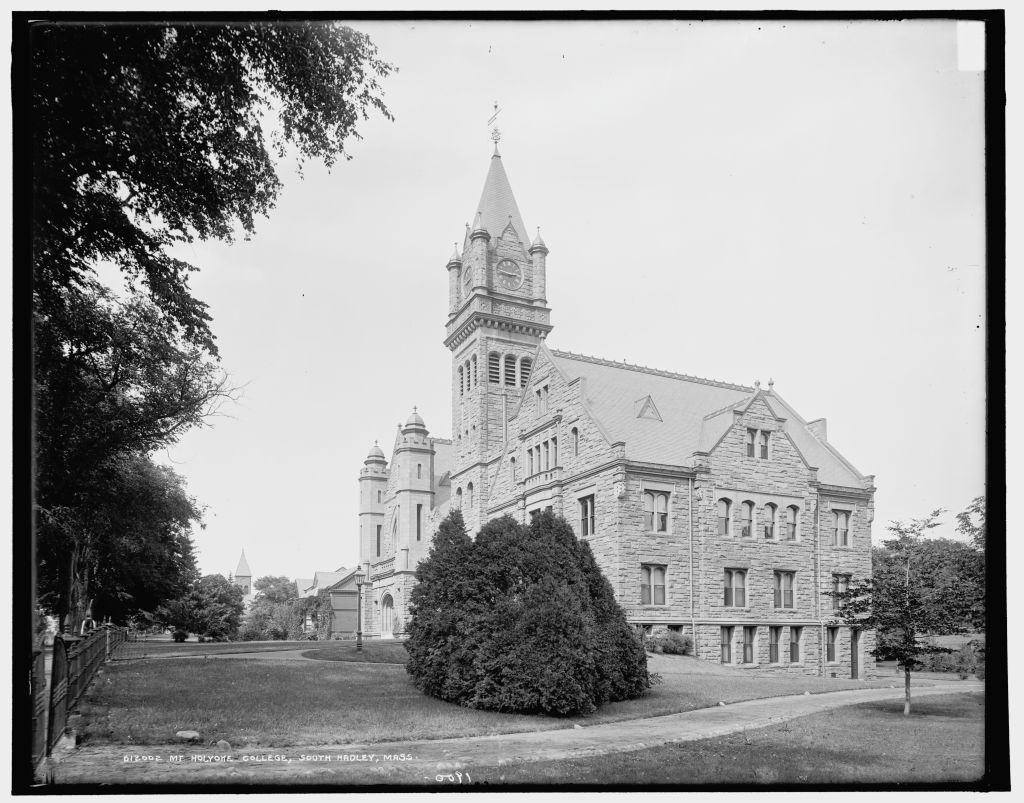
For years, women had been barred from higher education in the newly formed U.S. But in the mid-19th century, pioneers like Mary Lyon founded “female seminaries” like Mount Holyoke and Wheaton Female Seminary (now Wheaton College). More women’s colleges followed, eventually forming the Seven Sisters. In 1881, Spelman, a college for Black women born in a church basement in Atlanta, opened its doors. At the time, naysayers deemed higher education for women a “dangerous experiment,” claiming that serious study might cause women to “lose their innocence and virtue.” Meanwhile, women with college degrees became lawyers and doctors and scientists and scholars, forever broadening the scope of what was possible for American women.
When Eunice Foote Figured Out Global Warming (1856)
In 1856, as the Industrial Revolution swept across the U.S., an amateur scientist and women’s rights campaigner from upstate New York conducted groundbreaking research showing that carbon dioxide could trap heat in the Earth’s atmosphere. Eunice Newton Foote’s results were published in the American Journal of Science and Arts, but she was barred from reading her paper aloud, and credit for “discovering” the process of global warming would go to Irish scientist John Tyndall three years later. Today, we understand Foote (who’d studied science thanks to educators who believed in equal rights) as “the mother of climate science.”
When Black Freedom Showed Us America’s Potential (1865 – 1877)
The overarching white public view prior to Reconstruction was that Black people didn’t have the capacity or the intelligence to engage in public life. But after the Civil Rights Act of 1866, Black people proceeded to take their citizenship and do every single last thing white people said they couldn’t do or be. An estimated 2000 held public office, shaping state and federal policies; others built schools, established church congregations, and cultivated strong, healthy communities. The backlash, in the form of Jim Crow, was swift and fierce and would last for nearly 100 years—but the period of Reconstruction showed what America could do and be as a country.
When the “Suffrage State” Earned Its Name (1869)
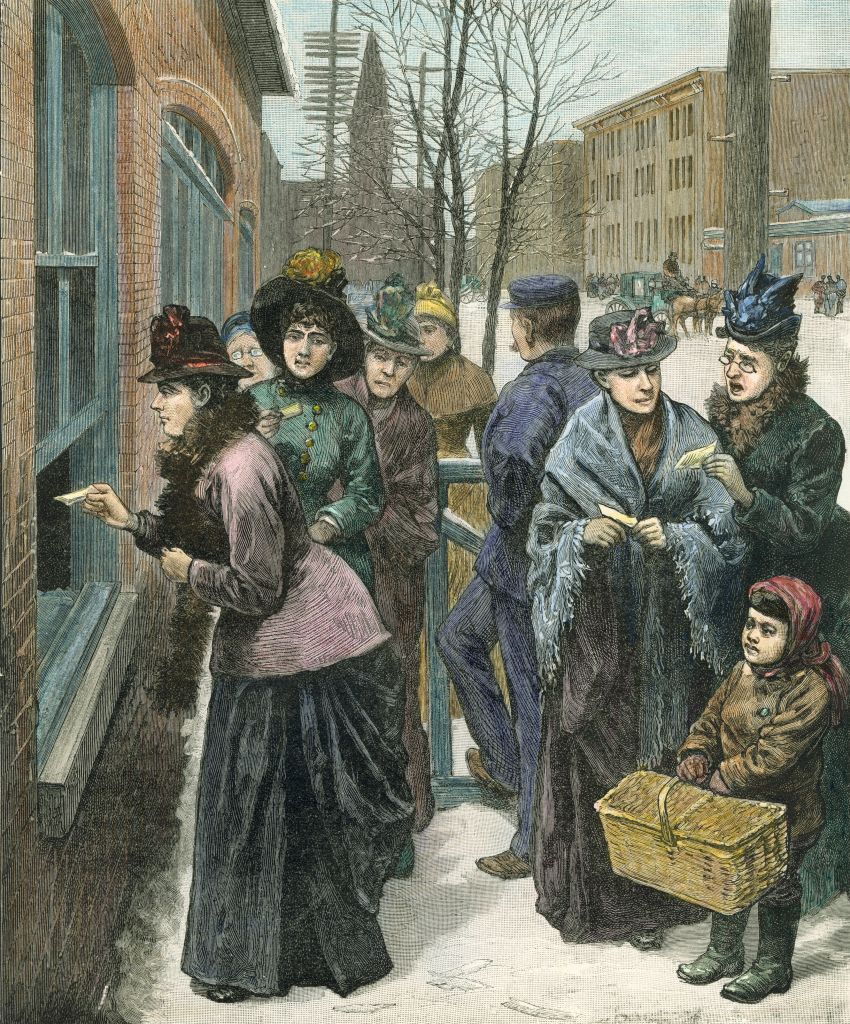
Decades before the 19th Amendment would pass in 1919, the then-territory of Wyoming (which was looking to attract more women) granted women full voting rights, along with the ability to hold office, sit on a jury, and have property rights separate from their husbands. When Wyoming began the process of becoming a state decades later, the U.S. Congress threatened to withhold statehood if women continued to have the vote. The Wyoming legislature sent a telegram saying it would rather not become a state at all than rescind the voting rights of women. Wyoming joined the U.S. formally in 1890 with women’s voting rights intact.
When the “Working Girls” Rose Up (1909)
“I am a working girl, one of those who are on strike against intolerable conditions,” 19-year-old garment worker Clara Lemlich declared in Yiddish at a labor meeting in November 1909. “I offer a resolution that a general strike be declared now.” In the days following, tens of thousands of garment workers, most of them young immigrant women, walked off the job to demand safer working conditions. The strike wasn’t wholly successful—the Triangle Shirtwaist Factory resisted reforms, with infamous and tragic results—but Lemlich’s “uprising of 20,000” proved to sexist labor unions that women could lead massive, effective strikes.
When a Black Chemist Changed Medicine (1915)
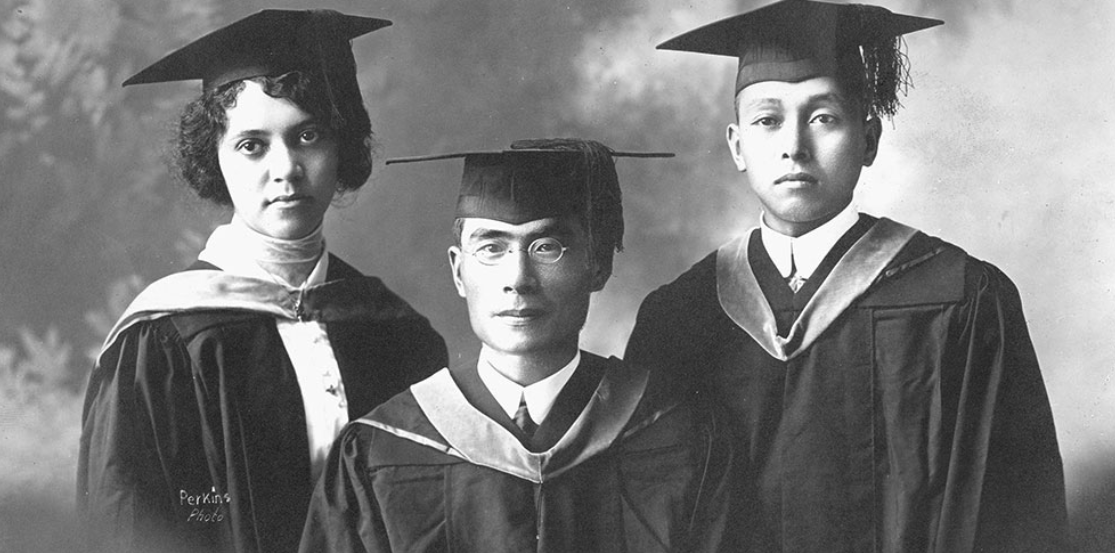
Before antibiotics were invented, leprosy was a scourge that ruined lives—and the only known treatment, oil from the chaulmoogra tree, made patients nauseous when swallowed and was too thick to be injected. Enter the Ball Method, named after Alice Ball, a 23-year-old Black chemist at the College of Hawai’i who figured out how to modify chaulmoogra oil to be water-soluble. The treatment killed bacteria and freed people from leper colonies; as for Ball, two men at her university took credit for her work after she died suddenly, but decades later, other Black chemists like Sibrina Collins made sure Ball got her due.
When Two Women Became Governors (1924)
Fresh off the 19th Amendment, the 1924 election led to both the first and second women governors in America: Nellie Tayloe Ross of Wyoming and Miriam “Ma” Ferguson of Texas. Both were succeeding their husbands, and Ferguson had even been against women’s suffrage in the past—but their elections made it clear that women’s political power was starting to grow.
When Federally Funded Childcare Was Real (1943 – 1946)
If you’ve ever wondered who took care of Rosie the Riveter’s kids, the answer is the government: From 1943 to 1946, the Lanham Act funded federally subsidized childcare for more than half a million children. First Lady Eleanor Roosevelt, a major supporter of the program, described the centers as “a need which was constantly with us, but one that we had neglected to face in the past.” We’re still neglecting that need, but at least we have proof that universal childcare can work.
When We Had a League of Our Own (1943 – 1954)
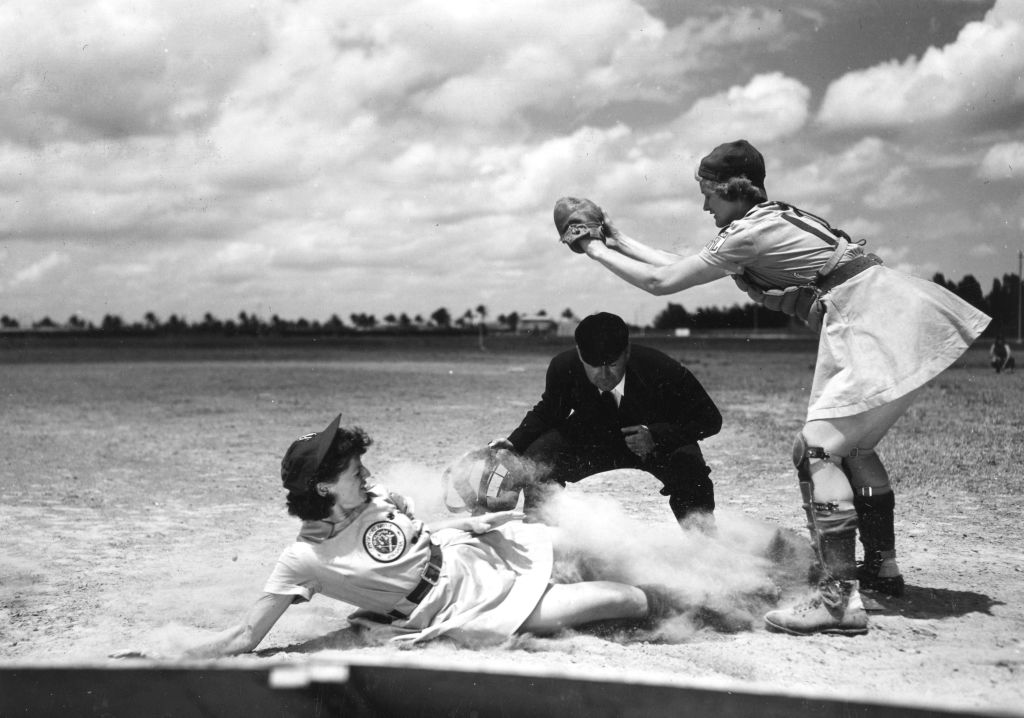
You’ve seen the movie; you’ve quoted the lines, but the real All-American Girls Professional Baseball League was one of the first true tests of how successful women’s leagues could be. Even after World War II ended, the league continued and brought almost one million people into ballparks to watch women play ball until its closure in 1954. Over those twelve seasons, 600 women from the U.S., Cuba, and Canada played across 10 teams, paving the way for millions of sportswomen to come.
When Gender-Affirming Care Came Stateside (1966)
In November 1966, Johns Hopkins University, led by Dr. Milton Edgerton, opened the U.S.’s first clinic aimed at addressing the needs of the transgender community by offering the gender-affirming surgeries that were at the time more common in Europe. Before opening the clinic, doctors at Johns Hopkins performed the first known “sexual reassignment” surgery on U.S. soil in February of 1965.
When Trash Changed Everything (1969)
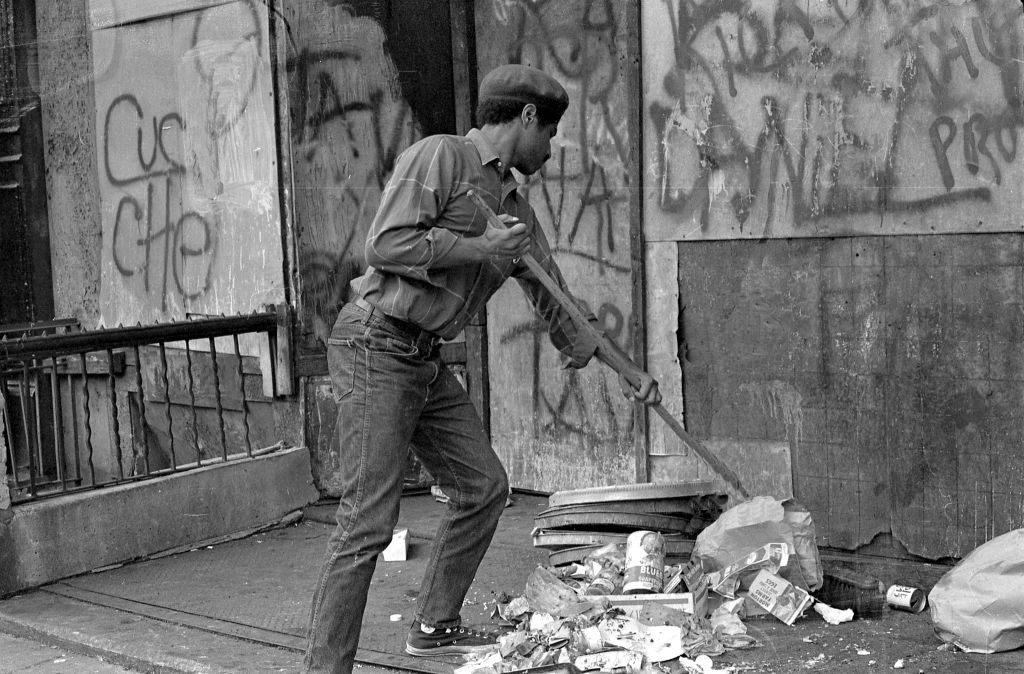
Sometimes grassroots movements don’t involve anything as lovely as grass. When the city of New York refused to grant the residents of East Harlem a consistent garbage pick-up schedule, leaving them to endure sweltering summer heat surrounded by waste, the Young Lords took matters into their own hands. For a month, Young Lords would sweep their neighborhood sidewalks, collect the trash, and deposit it in the middle of busy streets used by suburban commuters to block traffic. This went on for 38 days, but in the end, the Department of Sanitation was forced to make changes, some of which are still in effect today, like alternate-side street sweeping.
When Survivors Held the First Rape Conference (1971)
Before Second Wave feminism, rape was a personal, private misfortune. That changed with consciousness-raising sessions held in living rooms across the country, and later at the first rape speakout in 1971, hosted by New York Radical Women, at which survivors began speaking openly about being raped—not just by violent strangers but also by friends, neighbors, colleagues. A few months after the speakout, NYRW held the nation’s first conference on rape, which established the modern paradigm of sexual assault as a social and political problem, not an individual tragedy, and a male expression of control over women—laying the groundwork for every anti-rape movement since.
When Abortion Access Had a “Honeymoon Period” (1973 – 1976)
The three years after the Supreme Court granted the constitutional right to abortion in 1973, before access was restricted by the Hyde Amendment in 1976, were a kind of honeymoon period for abortion history. Just a year after Roe, there were already more than two thousand facilities performing safe, legal abortions in the United States. Access still lagged among poor and rural women, as well as teenagers, but those early years were “a very proud, happy time,” Dr. Suzanne T. Poppema, one of the first legal abortion providers, recalled in 2015.
When Laws Finally Started to Catch Up With Our Lives (1970s)
If you need a reminder that change is possible and not always glacial, consider the 1970s. Buoyed by rising feminism globally and the victories of the civil rights movement domestically, women pushed for and won protections against educational inequality, pregnancy discrimination, housing discrimination, sexual harassment, and other obstacles that had been so ingrained as to be invisible. And in 1977, 20,000 women convened at the National Women’s Conference in Houston, drawing a bold plan of action for future work. “Women are human,” said Rep. Barbara Jordan in her keynote speech. “When our rights are limited or violated, a domestic human rights effort is required.”
When Disability Activists Took on Nixon (1973)
After President Nixon vetoed the Rehabilitation Act of 1972, which would have helped to improve the lives of disabled people suffering from kidney ailments, as well as provided medical centers for deaf and blind people, activist Judith Heumann had questions. Specifically: “Where is Nixon’s headquarters?” In response to Nixon’s veto, Heumann and the group Disabled in Action (DIA) organized a demonstration in New York City with about 50 other disability activists, mostly in wheelchairs, who shut down the streets that surrounded Nixon’s re-election campaign headquarters in New York on Madison Avenue. Ultimately, Nixon went on to sign the Rehabilitation Act of 1973, which became the first federal legislation to protect the rights of disabled people—and Heumann went on to lead the fight for the breakthrough Americans with Disabilities Act two decades later.
When the Cherokee Nation Elected a Woman (1987)
Native American women had historically helped lead their communities, but the “trickle-down patriarchy” brought by settlers had changed that. Then, in the 1970s, the Cherokee Nation voted to allow chiefs to be elected popularly, rather than be appointed by the US president, and in 1987, Wilma Mankiller became the first woman chief elected to lead the Cherokee (and in fact, any Native tribe in modern times). She expanded health care and child services to Native communities and emphasized, always, “that we have indigenous solutions to our problems.”
When All We Do is Win (1991)
They say winning isn’t everything—it’s the only thing. In 1991, after 61 years of men’s tournaments, FIFA put together the first Women’s World Cup in Guangzhou, China. April Heinrichs led the U.S. women to victory against the Netherlands. This win would be instrumental in growing the professional women’s game in America…and helping lay the groundwork for women’s pro sports overall.
When the Cajuns Came Sailing In (2005)
The greatest tragedies often reveal the strongest spirits. When Hurricane Katrina ravaged Louisiana, and residents were largely abandoned by FEMA, their fellow citizens stepped in to form the Cajun Navy, a volunteer search and rescue team comprised of fishermen and boat owners who answered the call. It’s estimated that the Cajun Navy saved the lives of at least 10,000 hurricane victims.
When the First Family Was Cool (2008- 2016)
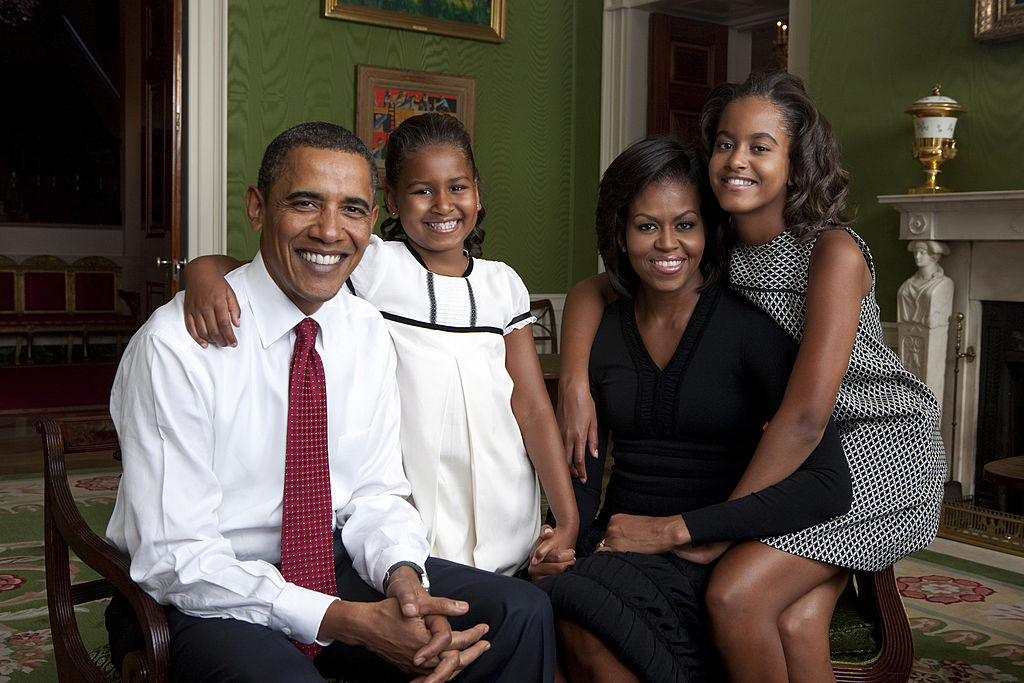
It wasn’t just that the Obamas were the first Black presidential family in the White House; it was that they brought a whole entire vibe with them. Their presence at 1600 Pennsylvania Avenue in Washington, D.C. was, among many other things, about four exemplary humans who truly wanted the best for each other, and for all Americans. And their best meant celebrating and championing Black artistry in a way that made Blackness feel synonymous with being American. Always humble, completely focused, the Obamas showed Americans that public service can be joyous, and that democracy is for everyone.
When We All Said #metoo (2017)
It started in October 2017, with a pair of explosive exposés about Harvey Weinstein’s decades-long pattern of sexual abuse, and blossomed into a full-blown movement that built on the work of me.too founder Tarana Burke from years earlier to raise awareness about the ubiquity of sexual assault. That fall—before the backlash, before the comebacks—was a watershed moment that not only led to important legislative victories, but attacked a culture of silence surrounding sexual abuse and harassment.
When They Put the Super in Super Bowl (2025, 2026)
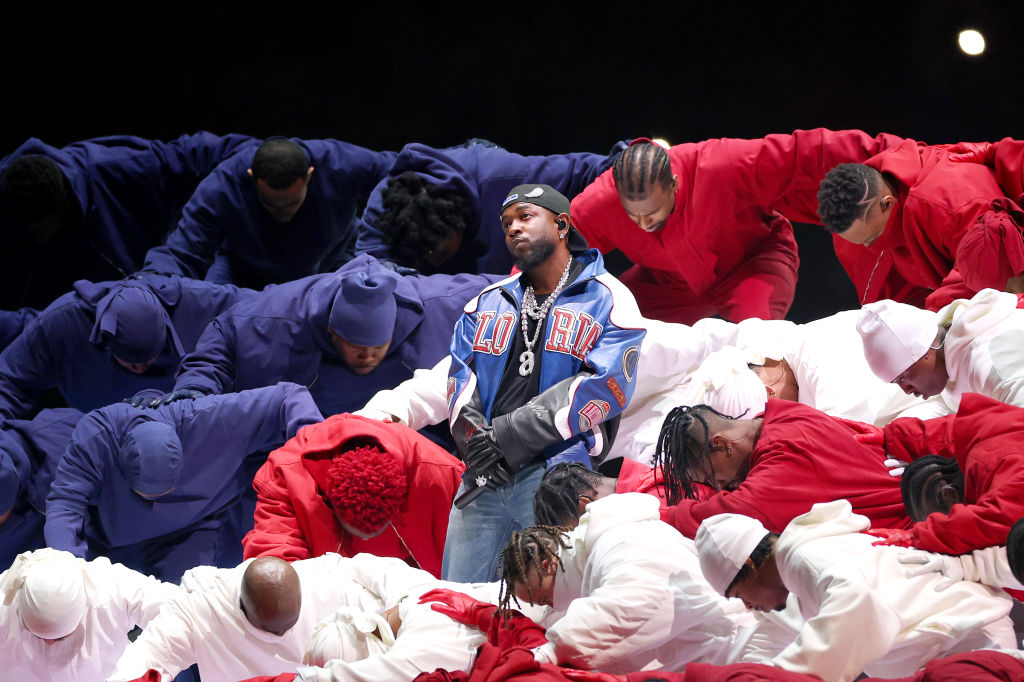
We’re all still recovering (in a good way) from how hard the critique of American exploitation and imperialism slapped in Kendrick Lamar’s and Bad Bunny’s halftime Super Bowl performances in 2025 and 2026, respectively. Lamar came with “the Big Game” as a symbol of America’s systemic inequality, and Bad Bunny gave us a diasporic message that doubled down on the meaning of hemispheric unity. The way they both took a stage that is so hyper-capitalist, ostensibly the very essence of “Americana,” and, along with the visionary talents of choreographer Charm La’Donna, turned it into a platform for nuanced, radical freedom of expression is a blueprint we want for America.
When We Kept a Promise (June 2026)
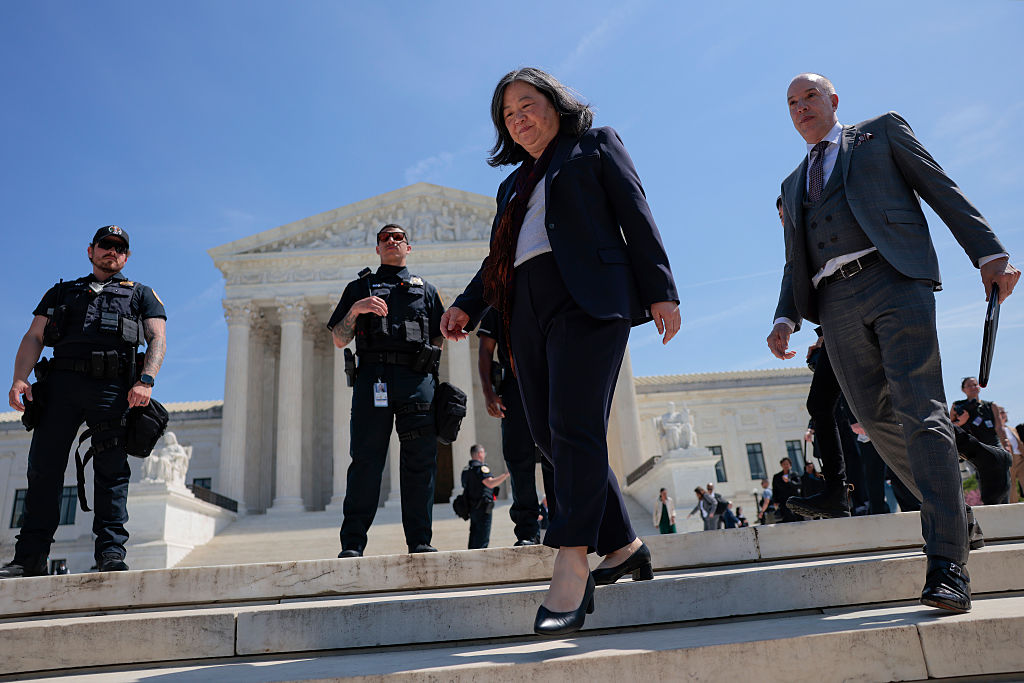
After the Trump administration tried to undermine the 14th Amendment granting birthright citizenship to all children born on U.S. soil regardless of their parents’ status, ACLU lawyer Cecillia Wang rose to the challenge of defending birthright citizenship before the Supreme Court. Wang, herself a birthright citizen, argued the case of Trump v. Barbara and won in a 6-3 ruling. The Court stated that the 14th Amendment offered the “right to have rights” to any “free-born person on this land,” and concluded, “We keep that promise today.”