
The Perfect Juneteenth Party
Six Black women describe what freedom feels like
By Rebecca Carroll
Juneteenth belongs to Blackness. Whatever we might know about it as a newly declared national holiday, commemorating the date when enslaved people were free to become citizens and keep their families intact, it is the Blackness of this day in history that reverberates most. And at its core, Blackness will always be about imagining life and joy into existence.
We asked a handful of Black women we admire to describe what a perfect Juneteenth celebration would look like.
My ideal Juneteenth is…
“Fully experiencing pure joy”
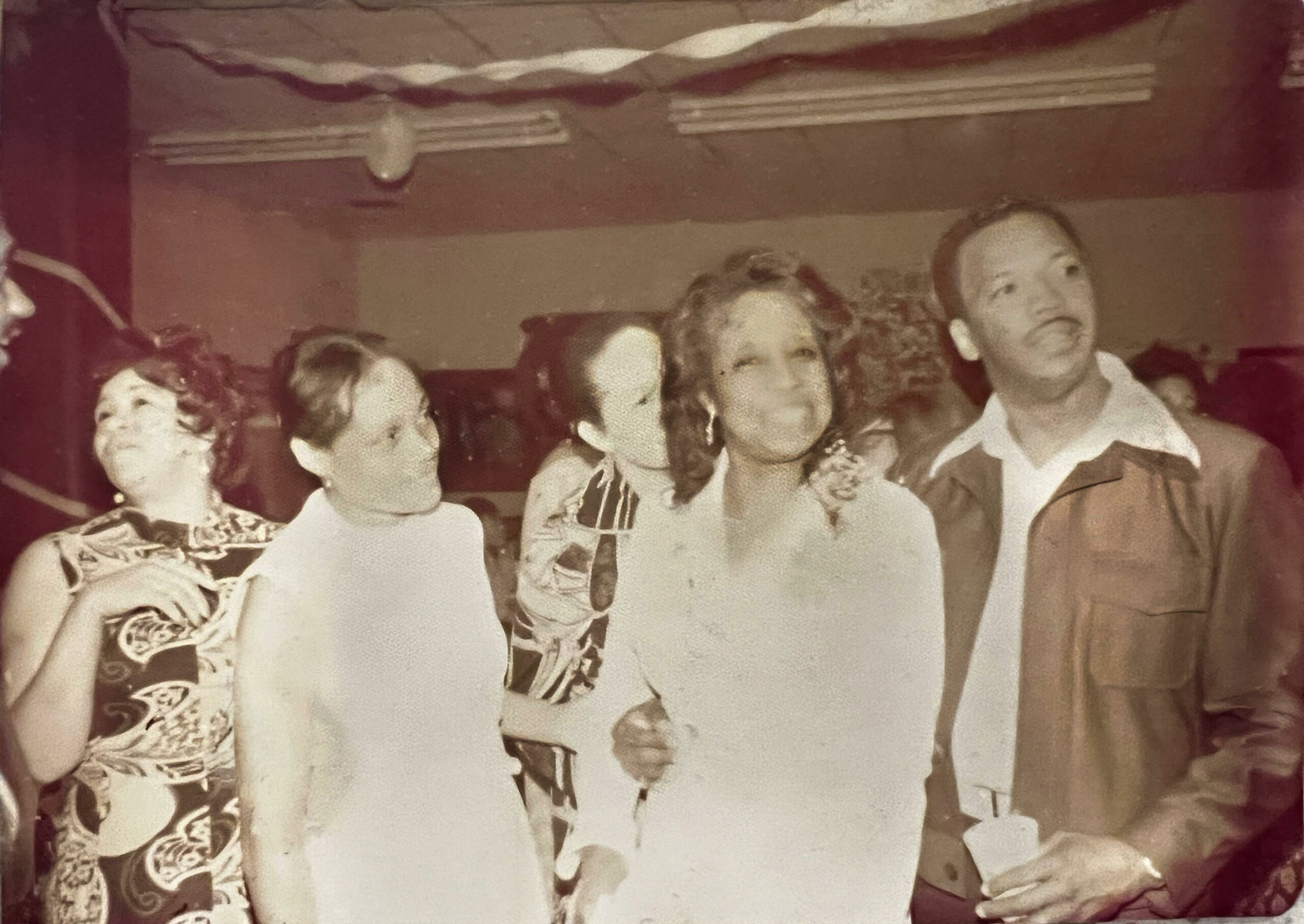
My beautiful grandmother, Caressa, was part of the Great Migration. She moved up north around 1924, and built a life for herself on Long Island. After church on Sundays, she’d drive into Harlem just to people-watch. She loved the sharp outfits, the fancy cars, the laughs and greetings exchanged on crowded sidewalks— a “Good day!” here, an “Alright now!” there.
My perfect Juneteenth would bring her, my great-aunt Carrie-Bell, my sister, and generations of maternal ancestors to New Orleans. We’d spend the day on the porch of a grand old Esplanade Avenue home in rocking chairs, nestled among lush plants, iced tea in hand, watching the world go by just as my grandmother once did in Harlem.
The streets would be alive with music, color, laughter and possibility. We’d watch people in what I like to call their “gadabout season”—talking, eating, dancing, joyful in every step. At some point, Aunt Carrie-Bell would remind us to “keep the doors open,” and we’d do just that: remain open to one another, open to joy, open to possibility. A reminder, or perhaps a demand, to move through the world with a softness and freedom.
Finally, generations of Black women with nothing to carry. That’s my ideal Juneteenth.
—Brandee Younger, harpist, composer and educator
My ideal Juneteenth is…
An atmosphere pulsing with hope and possibility
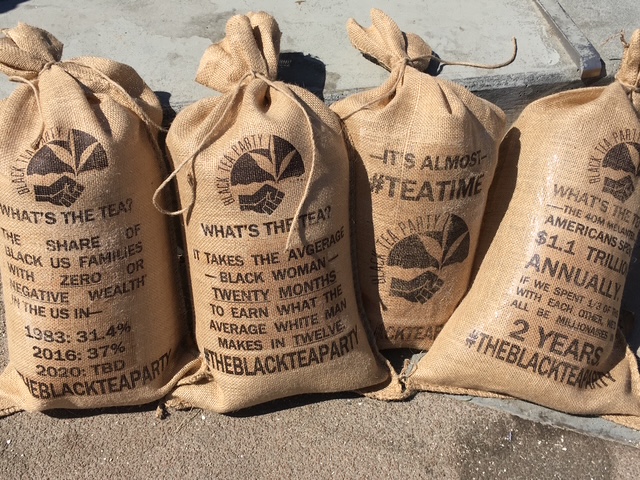
The year before Juneteenth became a national holiday, I celebrated June 19th in Oakland, California, where I moved from San Francisco in 2020. My husband, an attorney for more than 25 years at that point, was getting restless. He took the same bus to and from work every day, ate at the same lunch spots, saw the same people. “I want to do something different,” he said. “I need to switch things up.” At the same time, we’d both noticed how much San Francisco had changed. Too many tech bros. Too much traffic. So many creative people had been priced out of the city. But worst of all, San Francisco’s Black population had dwindled to less than five percent. The place felt sterile and homogenous, void of culture and flavor.
For years, we’d heard folks rave about Oakland. “Oakland is cool,” they’d say. “Oakland is creative.” Our last child had gone off to college and we were empty nesters, suddenly free to move wherever we chose. So when my husband pitched the idea of moving across the bridge, I agreed.
Oakland pulled out all the stops when Juneteenth became a federal holiday in 2021. Thousands of people came out to celebrate, gathering around Lake Merritt, the Oakland’s version of Central Park, to picnic and barbecue in the grass. From the tents set up along the sidewalk, merchants peddled Louisiana hot links and vegan soul food, roasted coffee, handmade jewelry and bolts of African mud cloth.
People roller-skated and line-danced. A Black equestrian club paraded their horses down the middle of the street. The air was spiced with incense and weed. The atmosphere pulsed with hope and possibility. The vibe was relaxed and easy. The mood, one of unbridled joy, Black pride, love and community.
Everyone was your cousin. Everyone was family. I don’t have to imagine my perfect Juneteenth because that day, I experienced it.
—Natalie Baszile, Author of Queen Sugar, and Friends and Family
My ideal Juneteenth is…
Drinking red Kool-Aid on sacred ground
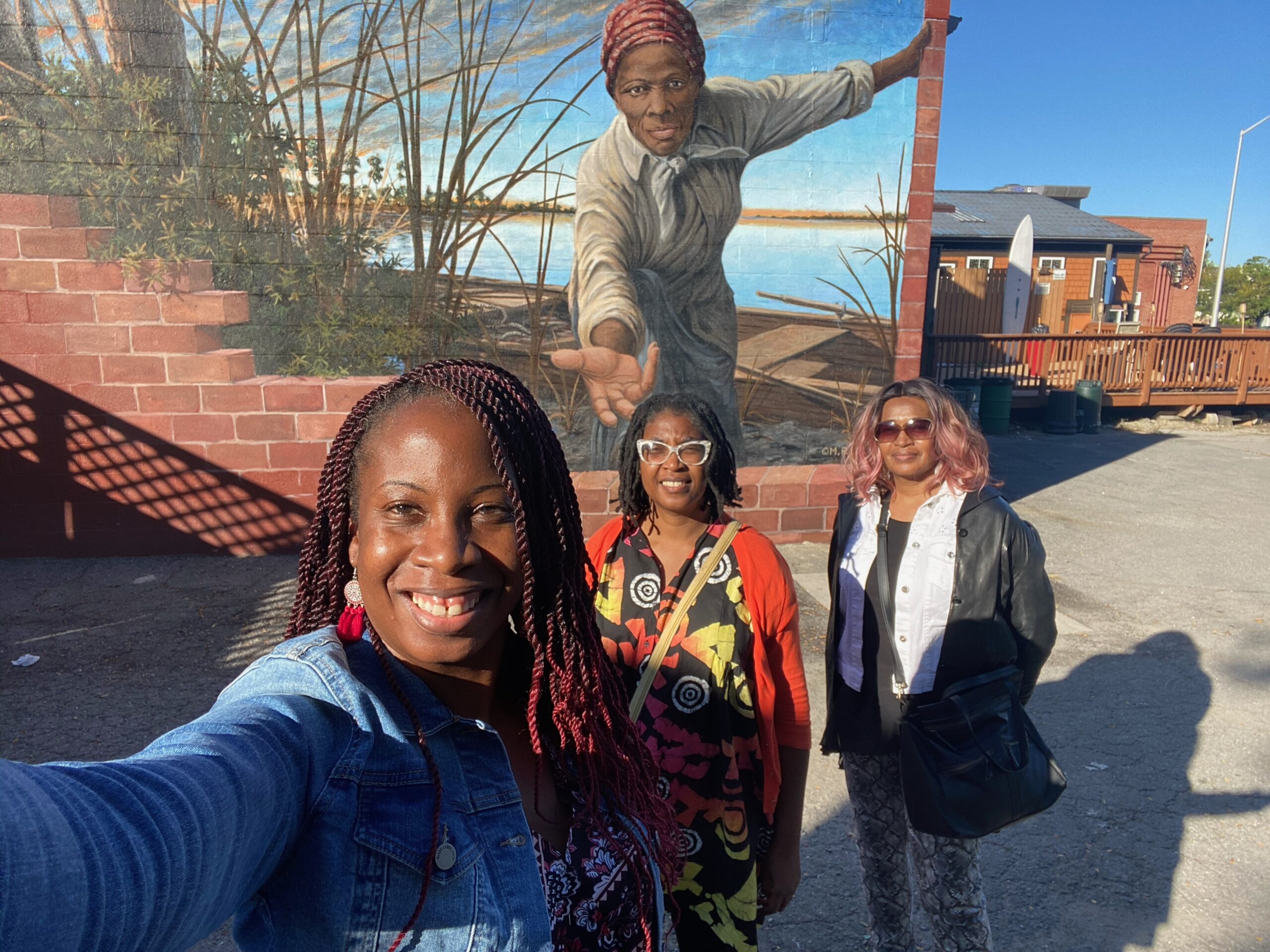
I imagine my perfect Juneteenth celebration taking place in eastern Maryland, my home state. I’m in Dorchester County to be exact, Harriet Tubman’s place of birth and where she first imagined freedom—stubbornly, prophetically, and communally. This is sacred ground. On the side of the Harriet Tubman Museum and Educational Center in Cambridge, Maryland, there is a beautiful and periodically-viral mural that depicts Ms. Harriet with her hand outstretched to catch us, hold us, and guide us across time and tribulations. I can see a joyous group of Black people gathered there to honor her vision for us all to be free and whole. We are dancing, singing, laughing, and playing as we drink red Kool-Aid on sacred ground. Because trouble don’t last always. Ashe.
—Kemi Ilesanmi, diaspora arts builder
My ideal Juneteenth is…
A day filled with flowers, rich history, and loved ones
My ideal Juneteenth celebration is centered on food and fellowship. I’m welcoming friends and family, and we’ve chosen a theme for the day (because no Black family gathering is complete without a theme!) We’d select a vibrant color that would reflect both pride and celebration. Our favorite songs are playing all day, and I’ve decorated the house with fresh flowers inspired by the incredible flower wagons that were once part of historic Juneteenth parades.
I love to cook, so I’d have fun prepping the recipes passed down through generations: the meat for barbecue and fried fish, then getting to work carefully washing fresh collards, frying cabbage, and peeling potatoes for my homemade potato salad, and prepping my secret recipe candied yams. I’d make my whipped cream pound cake and peach pie, praying that the texture and consistency of both are just right, fretting over perfection just like my mother and grandmothers once did. During the celebration, our meal would be loud and boisterous; food, laughter, music, and conversations would become imprinted on the hearts of my guests because food fuels connection and memory.
For me, the perfect Juneteenth is a celebration of heritage, resilience, and the bonds that unite generations. Juneteenth always makes me grateful and leaves me feeling deeply connected to the legacy we carry forward.
—Dr. Blair E. Kelley, scholar and author of Black Freedom: A Visual History of Juneteenth and Emancipation Days
My ideal Juneteenth is…
A party in the park where “we just keep dancing”
The most perfect Juneteenth happens in Fort Greene Park. House music pumps through the speakers as a sea of bodies sway in sync. Just as the day becomes almost too hot, the sky opens up and rain pours down. It smells of wet pavement, sweat, and incense. Nobody runs. We just keep dancing. The music continues, the crowd cheers. And then the sun comes out again. There is nothing more powerful than a collective intention, and when the intention is joy and pride and celebration and veneration, nothing can go wrong.
—Satchel Lee, photographer and filmmaker
My ideal Juneteenth is…
Getting a signal that family is freedom
I know little to nothing about my Black birthfather beyond what the white people who cast him out of my life told me. None of it was good, and most of it was racist. He died before I could fully see him separate from the way whiteness had described him to me, but I think about him all the time. I have just two pictures of him, both from when he was in his late twenties. I did meet him, finally, at an Au Bon Pain in Cambridge, Massachusetts, 23 years after those photos were taken. He looked nothing like the man in the pictures. Time, loneliness, being unhoused, out of steady work, health issues, and just being a Black man in America had all visibly aged him.
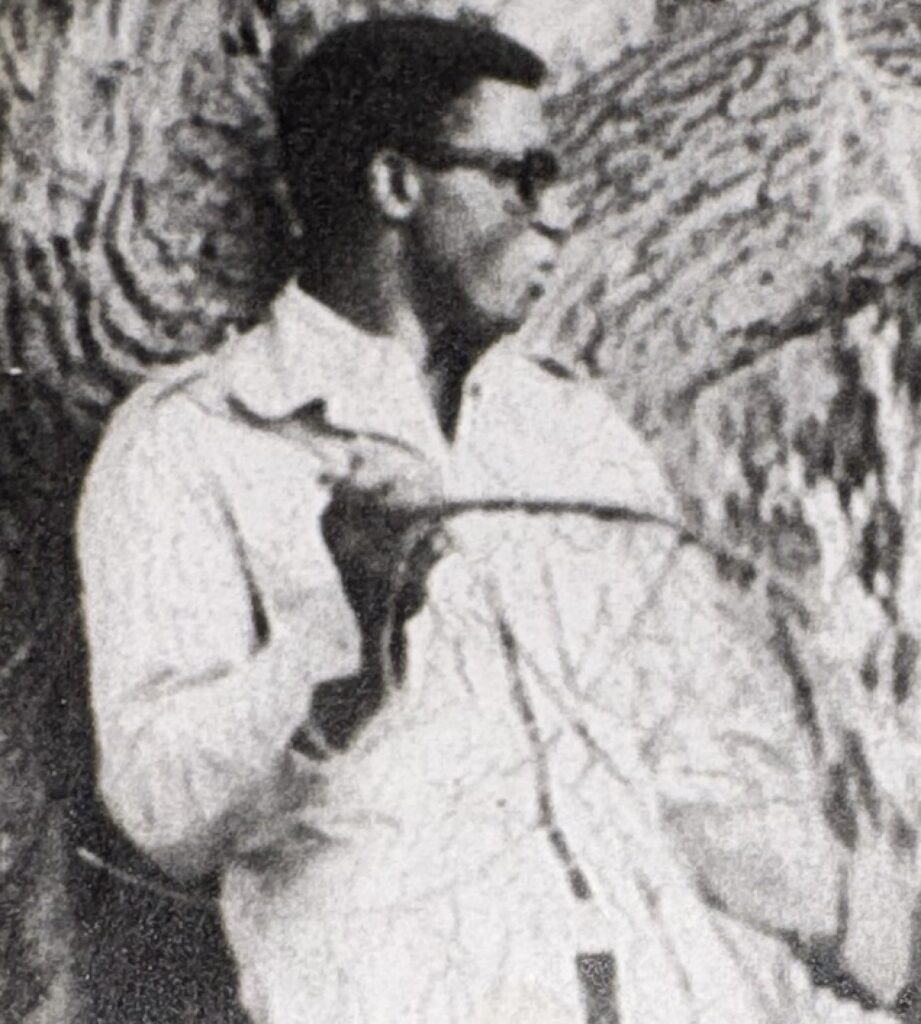
I saw him two more times after that, before moving to New York to start my life and career. Memorably, the second of the two, and the last time I saw him alive, we met at a restaurant in Cambridge that played jazz and afro-funk music at night. This time my then-boyfriend came with me. It was around Christmastime, and my birthfather had come with gifts he almost certainly could not have afforded. But the sheer joy in his face as he gave them to us was like a beacon in the dark crowd.
And I realized that his generosity made him feel free. Free from the way he had been mischaracterized by whiteness. Free from the shame of being banished from his infant daughter’s life without comment or question. Free from the constant, dull ache he described from growing up in foster care and government housing, without any family at all. Now he had family. And family was freedom.
In the program from my birthfather’s memorial service, it was written that “he cherished the memory of a daughter.” My most perfect Juneteenth celebration would be to get some sort of signal, on June 19th, that his memory of me is wrapped in the freedom he felt when he bestowed those Christmas gifts, and knew that he had finally found family.
—Rebecca Carroll, editor-at-large, The Meteor