
Lipstick, Selfies, and Prosthetic Legs
Gaza is home to the world’s largest group of child amputees. A photographer documents the lives of two of those children, who are still healing and waiting.
By Eman Mohammed
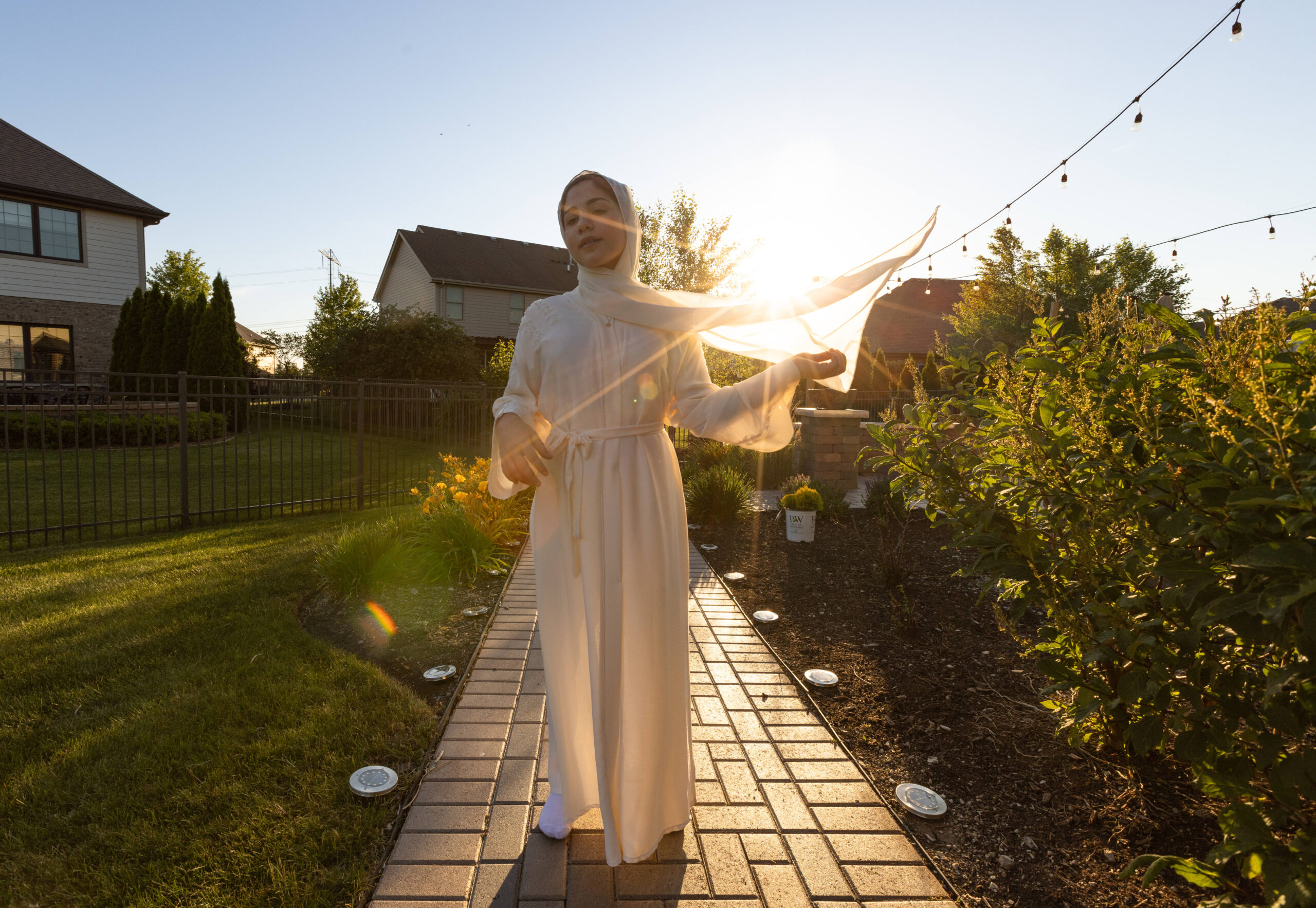
Layan’s first request after her surgeries was simple: She wanted to wear dresses again.
Before the bombing, she loved how fabric moved when she spun, how a skirt could flare and turn an ordinary hallway into a stage. After she lost both of her legs in an Israeli airstrike on her home in Gaza, dresses became a negotiation with balance, stitches, and pain. Learning to walk again meant relearning her body, figuring out how to trust it enough to stand inside the clothes she missed.
Layan is not the only child from Gaza learning to adapt to life-altering injuries. The United Nations has reported that Gaza is now home to the world’s largest cohort of pediatric amputees per capita, with more than 4,000 children losing limbs since October 2023.
Most of those children remain in Gaza, with little hope of being evacuated to receive rehabilitation in a safe environment. Since October 2023, organizations like HEAL Palestine have facilitated secure passage for 62 children to the United States through medical visas, but in August 2025, those visas were suspended for Palestinian passport holders. Extensions quietly disappeared. When treatment ended, the Trump administration required their return. HEAL Palestine pledged not to send any Palestinian child back into an active genocide, and since then, those who could not remain in the U.S. have been placed in temporary housing in Cairo, waiting for borders to open, for stability to return, and for a future that does not yet exist.
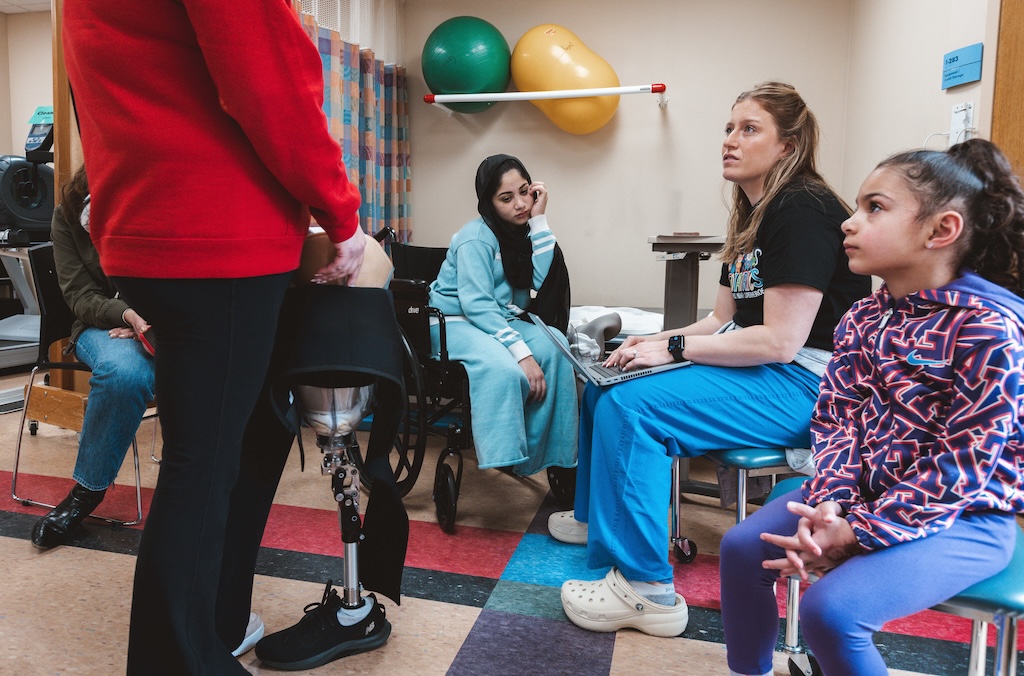
Layan, 14, was one of the children who were granted medical evacuation to the United States through Heal Palestine. She arrived in Chicago in March 2024, and her host family has navigated lawyers, deadlines, and a system built to send her back before she was ready, fighting to keep her in the country while she relearns how to walk on both prosthetic legs. For now, her healing continues there, and she’s back in school. She still wants to go back to Gaza, not out of nostalgia, but because it is the only place that feels complete. Return remains blocked under Israeli restrictions.
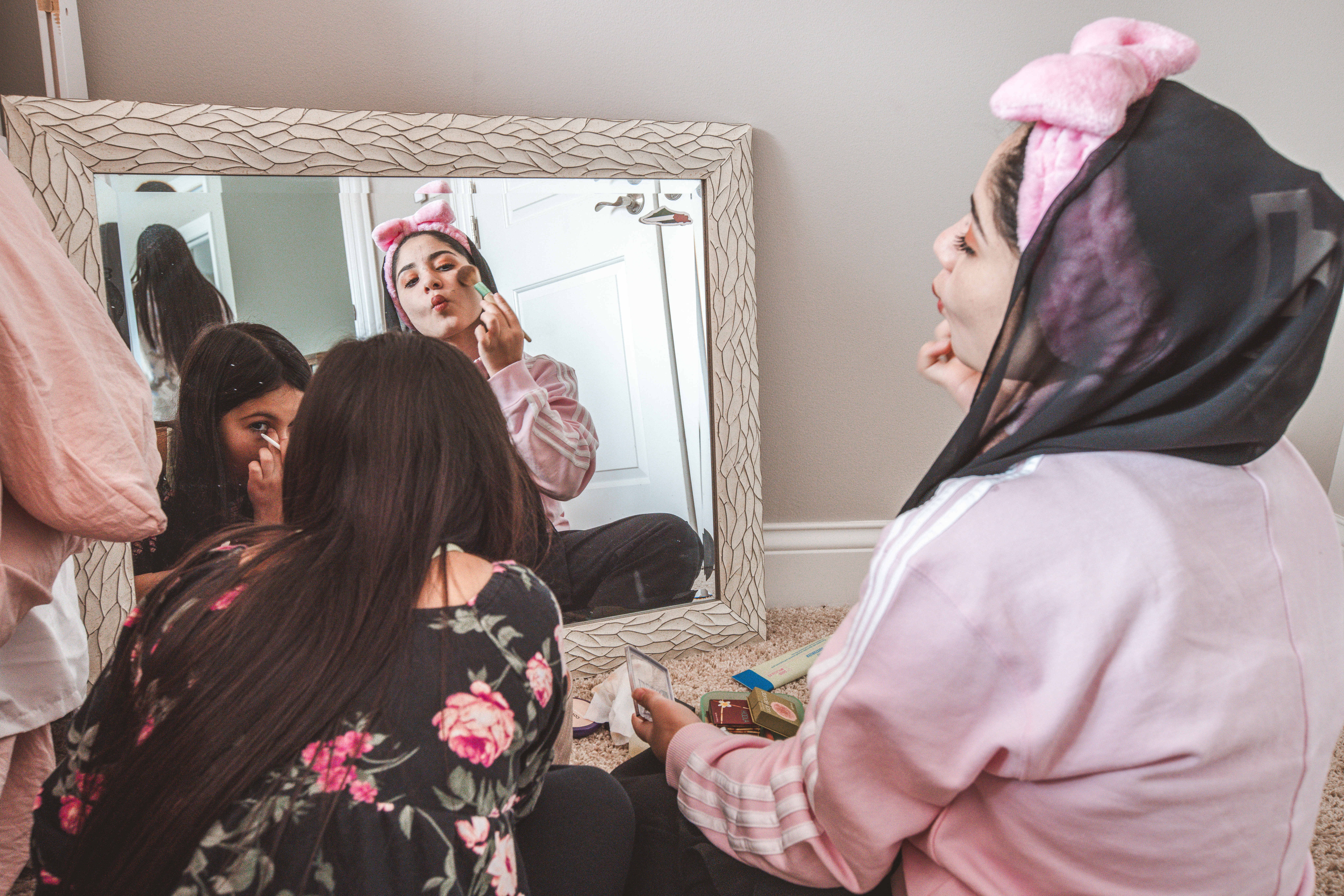
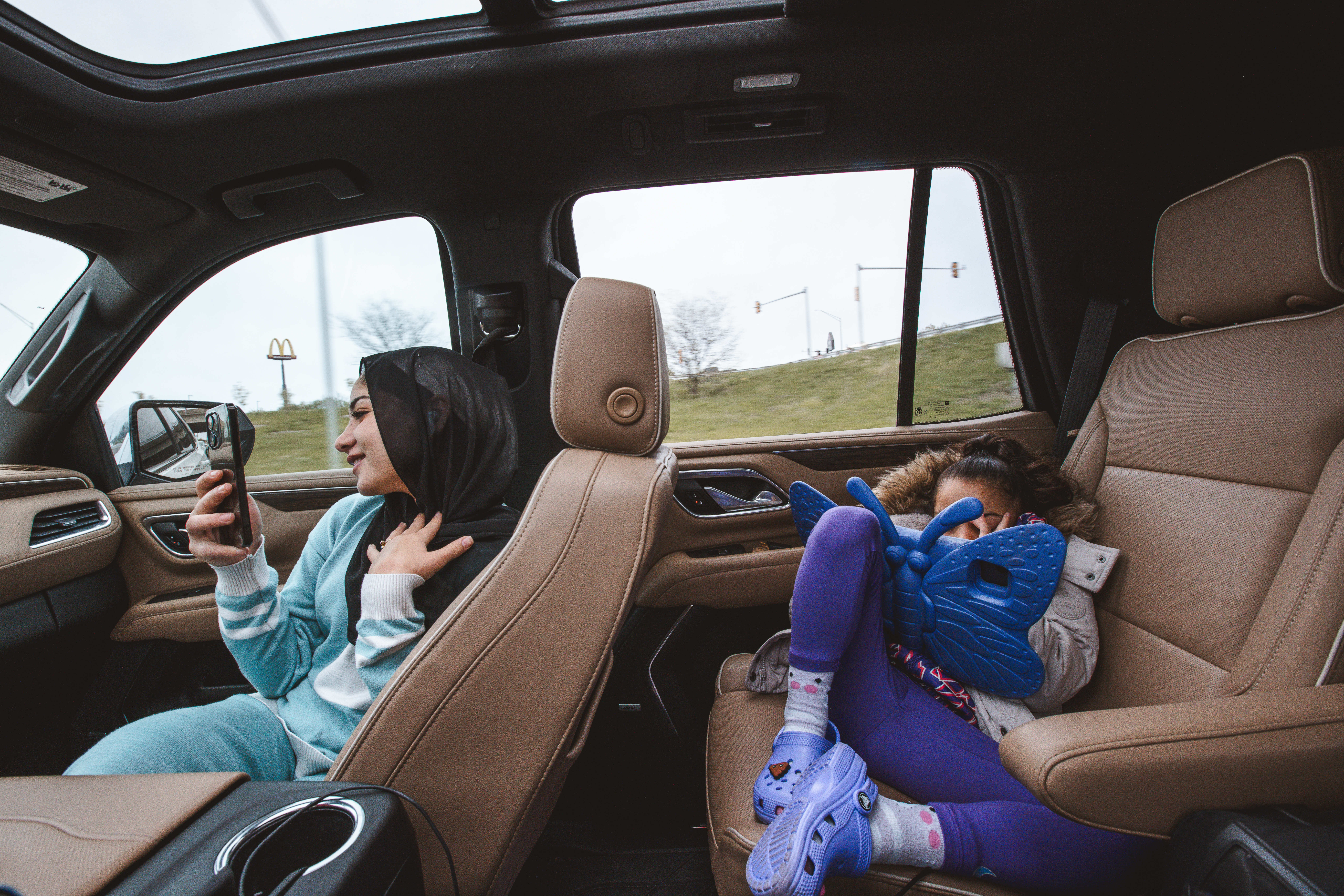
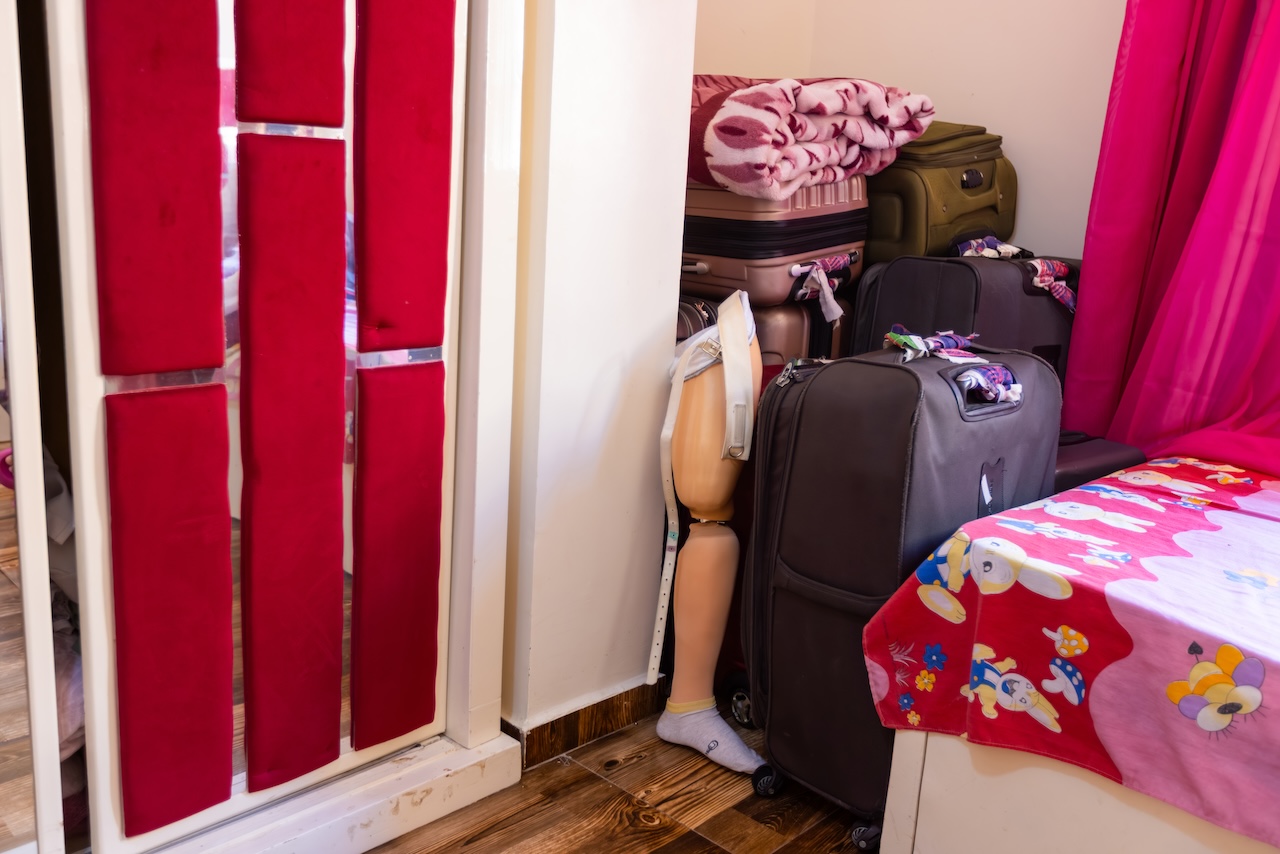
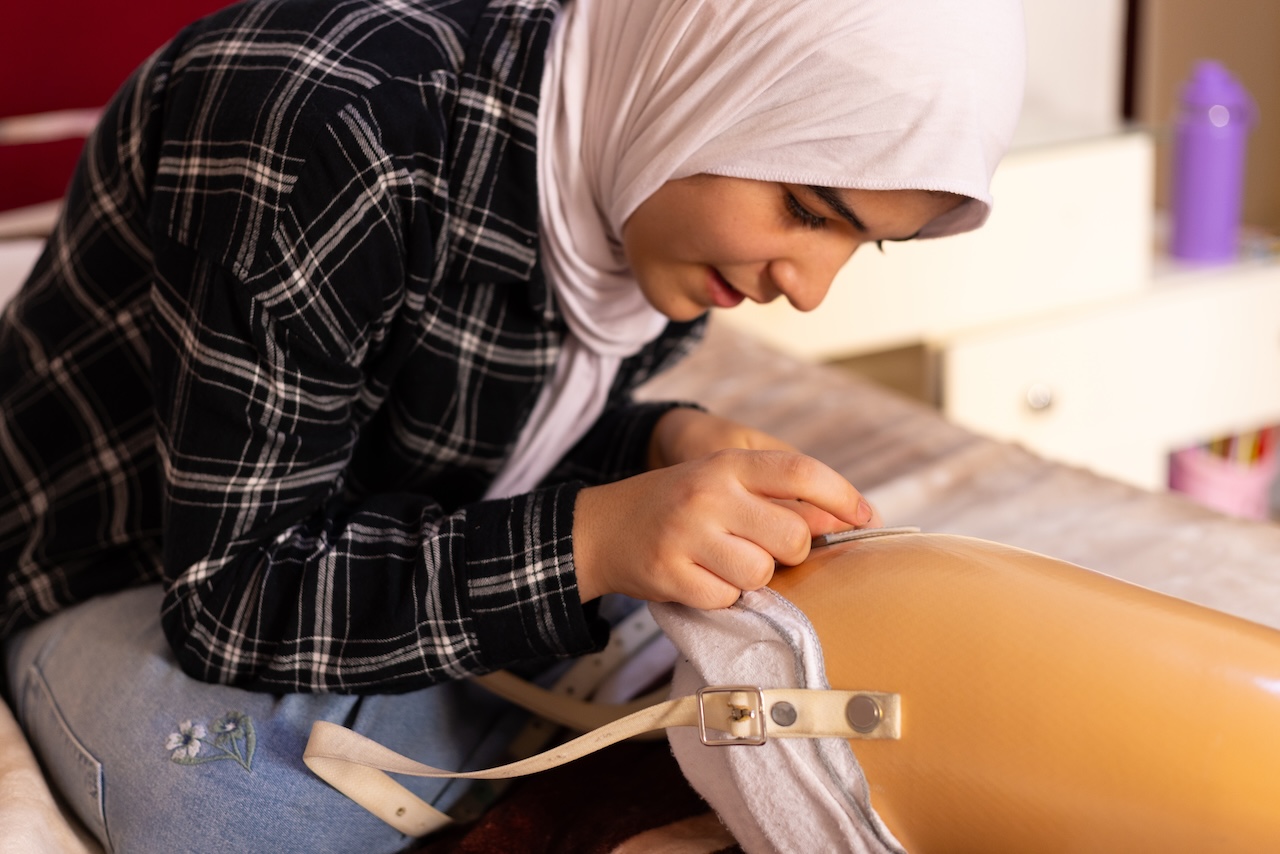
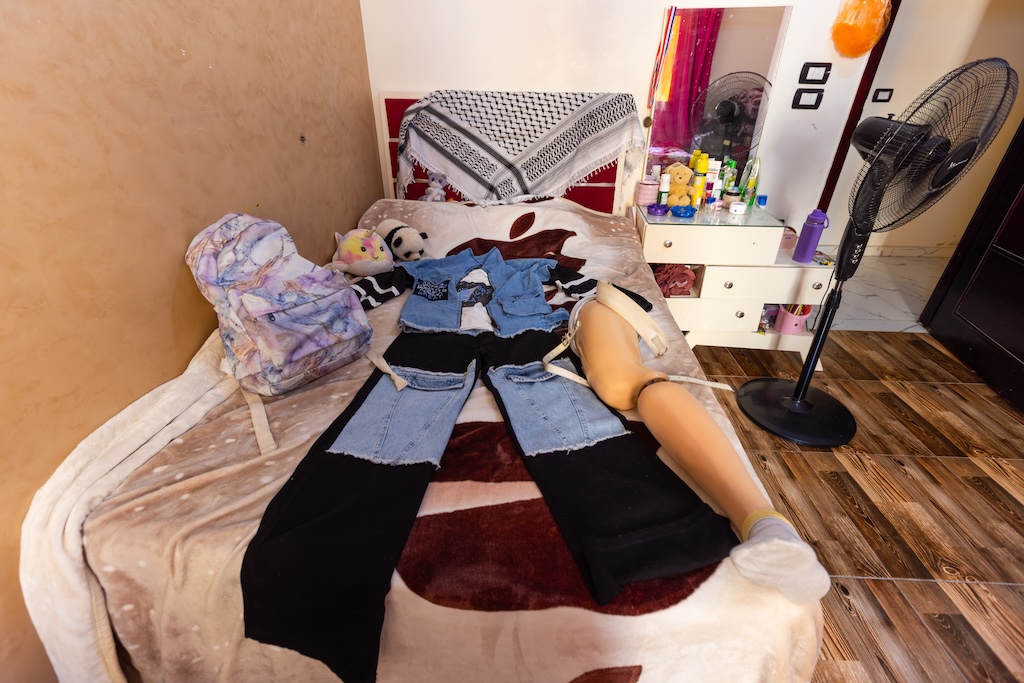
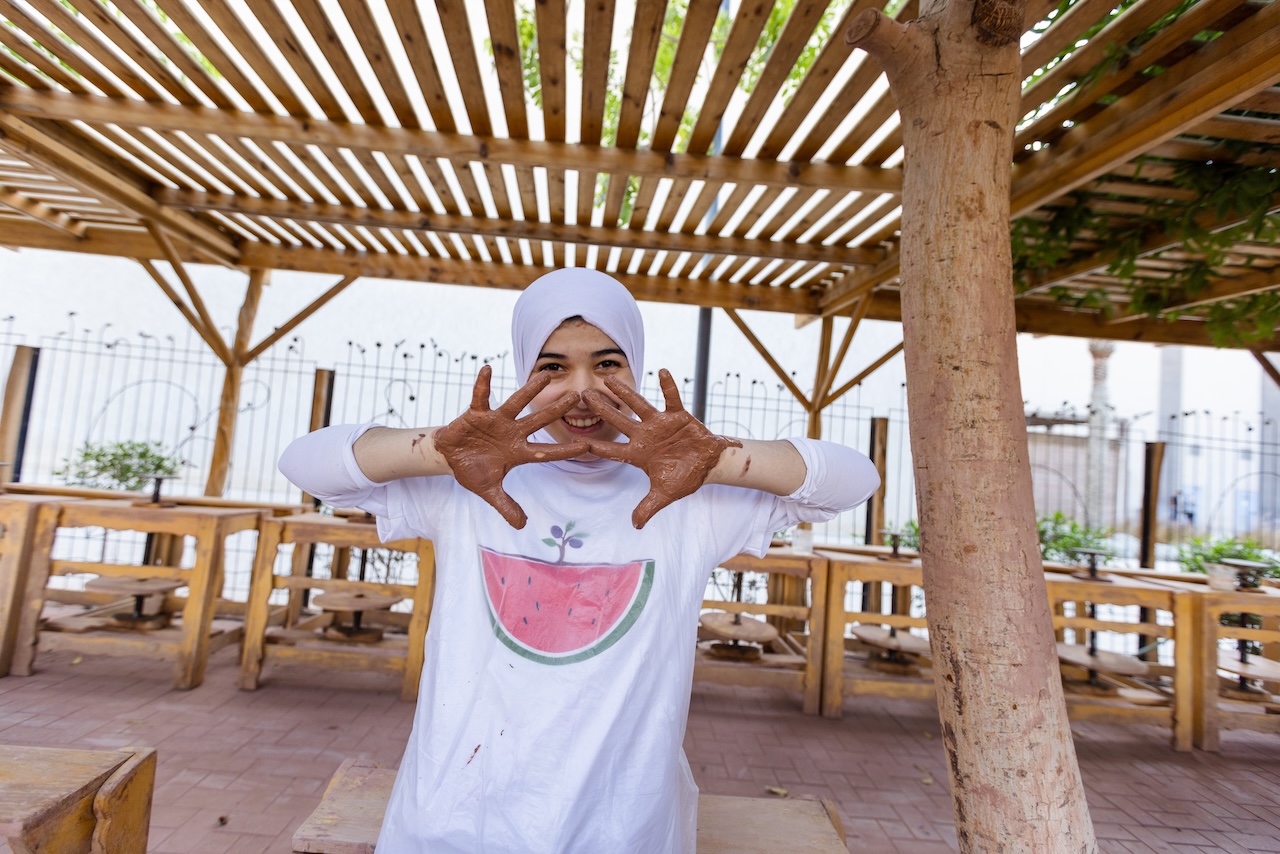
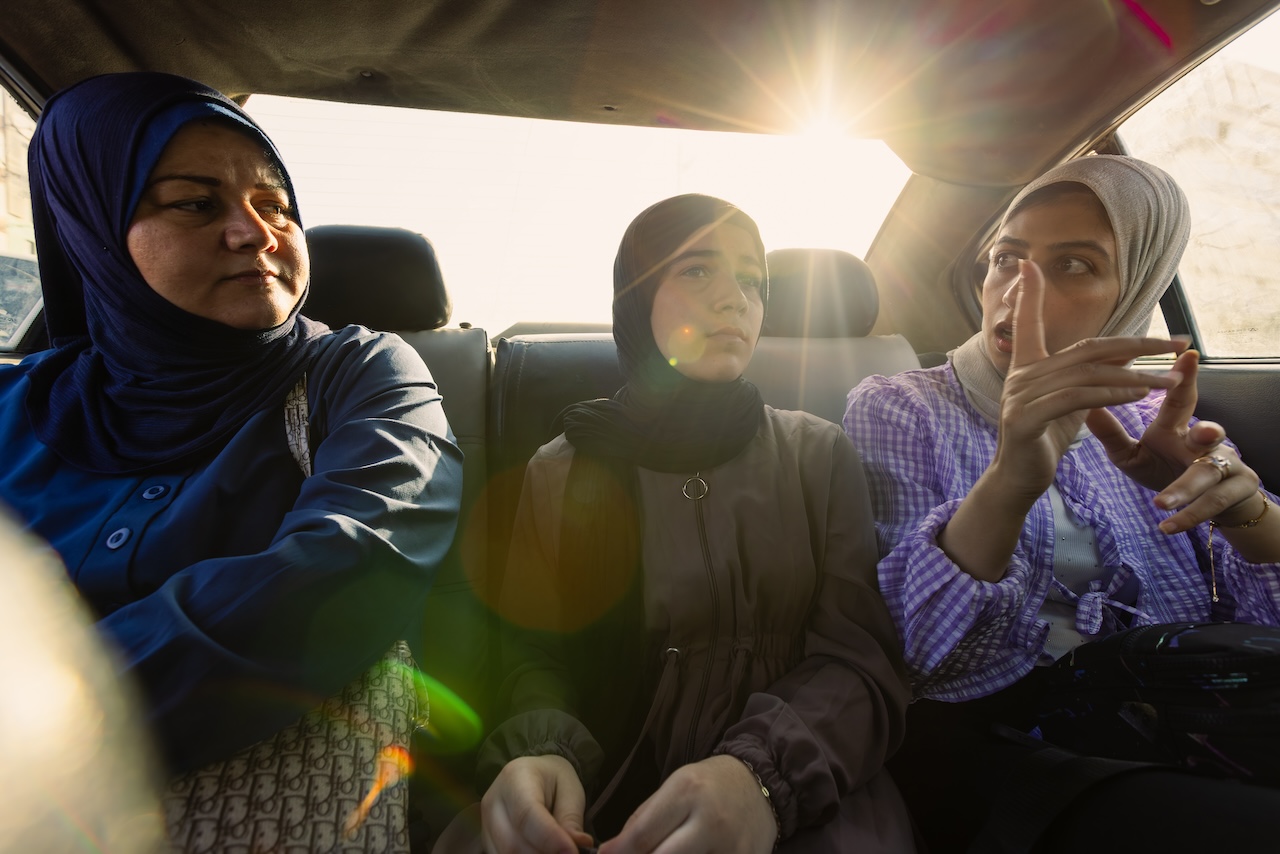
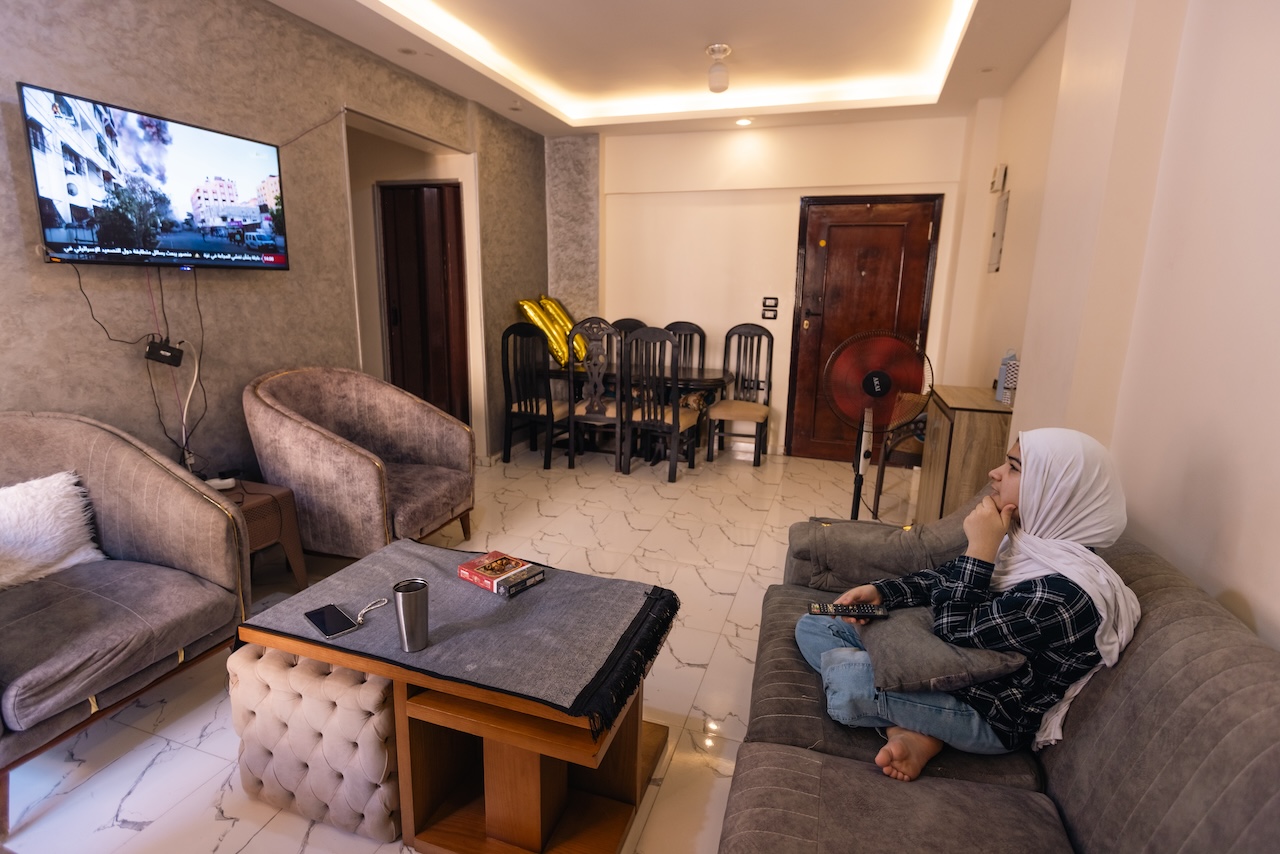
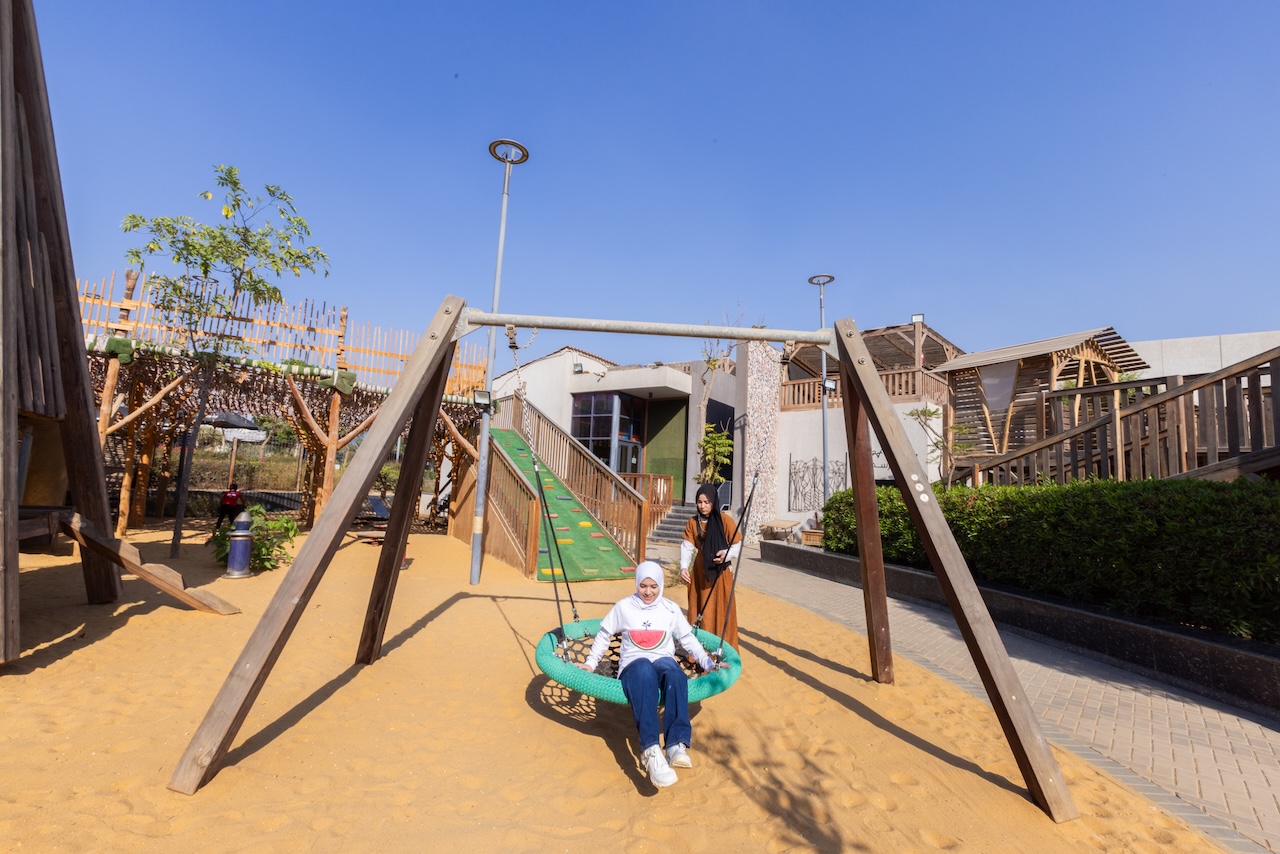
Rozan, 13, understands interruption in a different way. After her evacuation for treatment, she was sent back to Egypt to wait for the borders to open. She lives with another family sponsored by HEAL Palestine, a mom and a three-year-old from Gaza. Her time in Cairo stretched from temporary to indefinite. Rozan lost her leg and seventeen members of her family in a single Israeli airstrike. The number sits in the room even when no one says it, but she doesn’t perform grief. She draws, studies, argues about outfits before school, and laughs when clay collapses in her hands on a pottery wheel, then tries again.
Neither girl fits the story people want from them. They are not symbols of unmitigated triumph. Their days revolve around prosthetic fittings, therapy schedules, visa deadlines, and the long logistics of survival. Healing is technical work. It takes money, translators, housing, doctors, tutors, and adults willing to build a net strong enough to hold children who have already fallen too far. That net exists because a community refused to let them disappear.
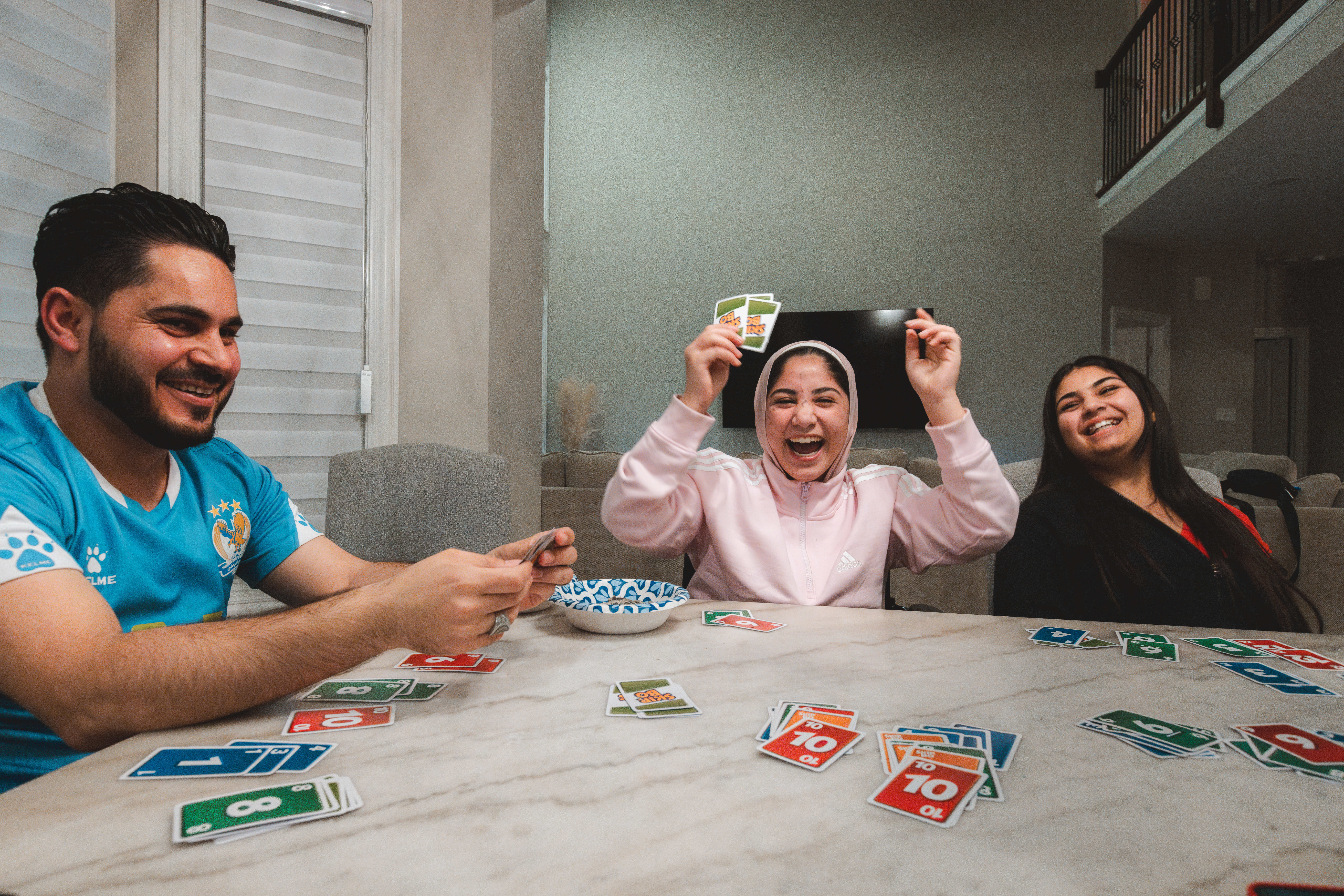
HEAL Palestine and the families around it function less like charity and more like extended kin. Apartments become shared recovery spaces. Older children teach new arrivals how to balance on unfamiliar legs. Caregivers trade information about clinics, schools, immigration rules. The girls grow inside that ecosystem of attention. Their resilience is not solitary, it is built collectively, reinforced by people who keep showing up.
In the afternoons, Rozan’s apartment fills with ordinary noise. A ball skids across the tile. Someone shouts. Someone laughs. Inside that chaos is the thing policy could not erase: children insisting on motion, and a community answering by making sure they never have to move alone.
Click on the images below to view the photo gallery.

Eman Mohammed is an award-winning Palestinian photojournalist from Gaza and Senior TED fellow. Her work has been featured in Le Monde, VICE, The Washington Post, The Atlantic and more.