
Make America Full Again
  November 25, 2025 Greetings, Meteor readers, To me, this is the best week in America. The air is freighted with anticipation and cheer, and no one has burnt the sweet potatoes or said something offensive yet. The pie crust is in the freezer (the pie crust is in the freezer, right?). And it’s all merriment and good vibes and OOO messages from here on out. 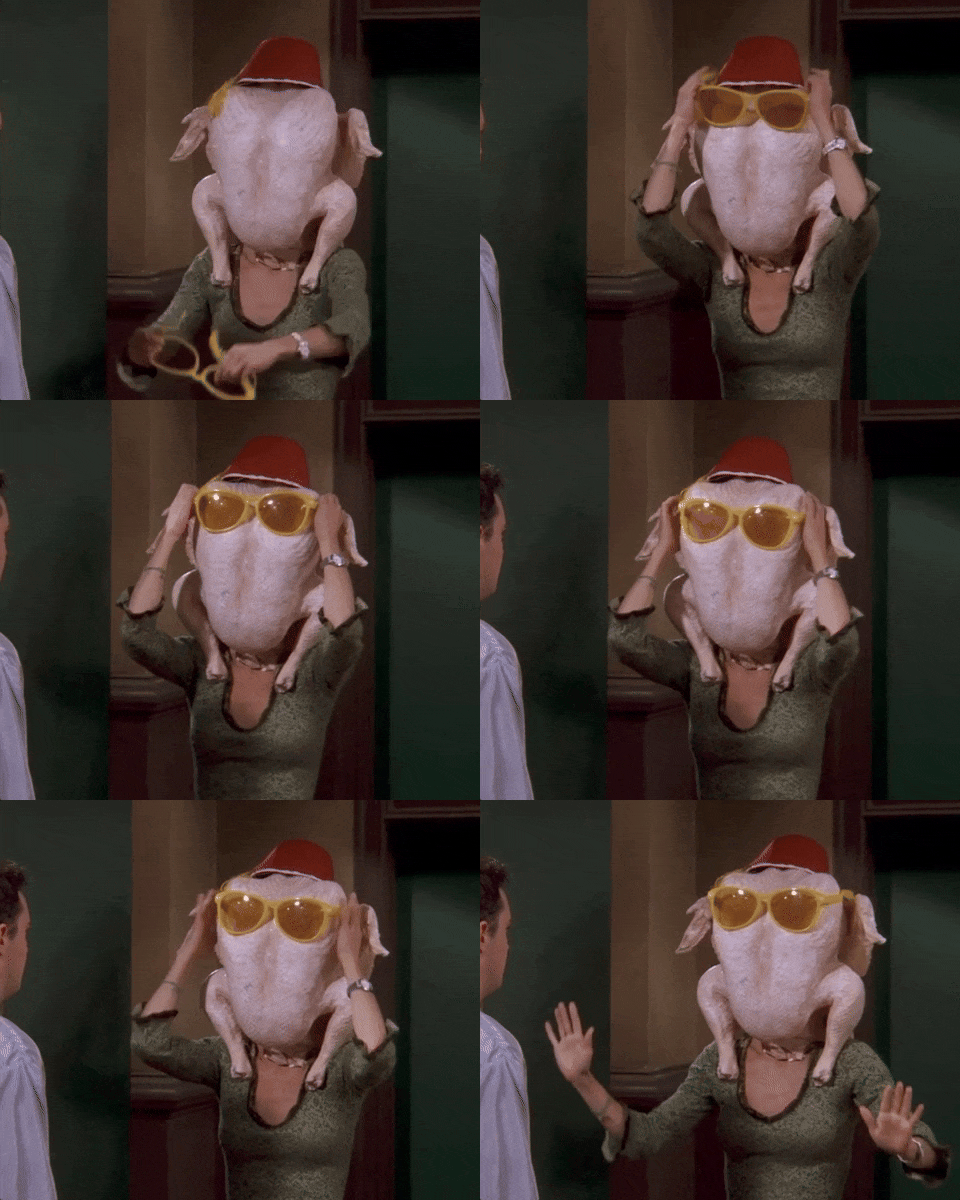 But of course, not everyone gets to savor the start of this festive season. In today’s newsletter, we check in on SNAP—the program that’s meant to feed the nation’s hungriest and which this administration seems determined to weaken. Below that, a few courageous women to give you hope. With butter, Mattie Kahn  WHAT’S GOING ONFood for thought: As we head into a holiday so heavily focused on meals, abundance, and pictures of meals and abundance, it’s worth remembering that when this month began, millions of people were being robbed of their food benefits. For a brief moment in time, so many of us were united in our outrage over food insecurity and rushed to help. (Or at least, we rushed to search: Google Trends shows that searches for “SNAP benefits” peaked on November 1, 2025 and have since plummeted.) However, once the shutdown ended and funding resumed, that energy disappeared faster than you can say SNAP is still in danger. Why? Well, because the new Republican-crafted spending bill (the Big and Not-So-Beautiful Bill, according to us) actually restructures the SNAP program in part by adding stricter work requirements, removing federal dollars from the program, and eliminating access to it for thousands of immigrants with legal status. These changes are slated to go into effect next month, ahead of yet another holiday season. And when the changes roll out, it will be women and children who are most affected. Non-elderly women make up more than half of all SNAP recipients, and there are roughly 12 million children receiving SNAP. It is shameful that in one of the wealthiest countries in the world, anyone should go hungry. But people in the U.S. aren’t hungry by accident; they are hungry by design. When it comes to women in particular, food access is a multi-pronged issue. Women go hungrier because, historically, they’ve made less money and been saddled with more unpaid care labor, reducing the number of working hours available to them. Throw that together with the changes in reproductive care, gender-based violence, and racial discrimination against women of color that hinder women’s earning potential, and you have yourself a fool-proof recipe for food insecurity. None of this is to say that men are immune from hunger. They do, however, experience it at a lesser rate than women. And as we’ve previously written, food insecurity isn’t something we can volunteer our way out of. The millions of people who have or are about to lose their food benefits aren’t just hungry on holidays or a few times a year. It is an everyday experience—which means the communal effort to change that fact must happen every day as well. What better week to start? — Shannon Melero AND:
 VIOLA FORD FLETCHER, AGE 108, ATTENDS A CELEBRATION FOR THE OLDEST LIVING TULSA OKLAHOMA MASSACRE SURVIVORS IN WASHINGTON, D.C., IN 2023. (GETTY IMAGES)
  FOLLOW THE METEOR     Thank you for reading The Meteor! Got this from a friend? |
